Most dangerous delicacy
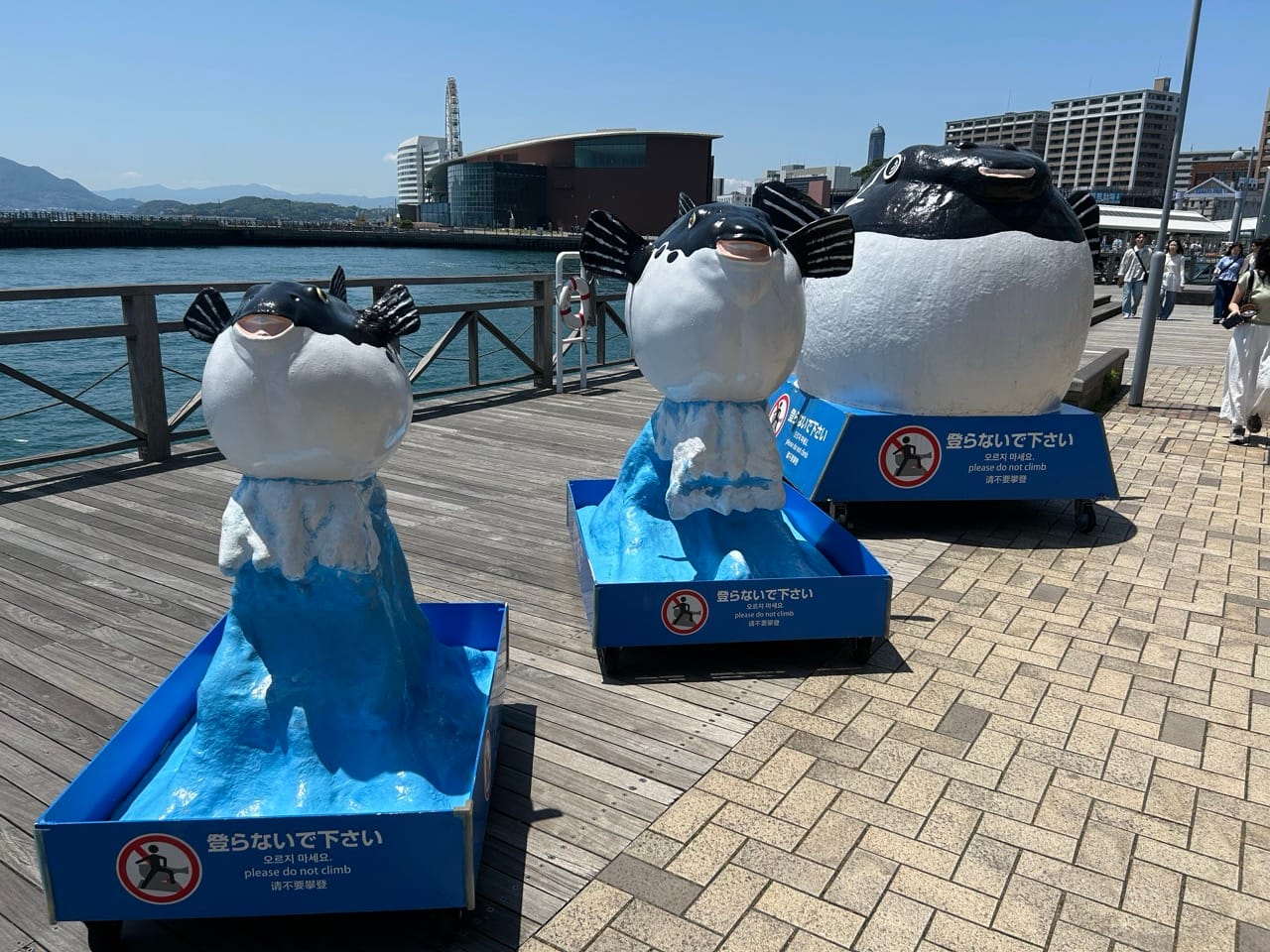
Pufferfish are known to puff up when they think they are in trouble. Hence the name. They probably have no clue how unintimidating but funny they look when they do that. So it is no wonder people rather catch and eat them, instead of fleeing from them.
Fugu, how they are called in Japanese, however, are also known for their high toxicity, killing hundreds of fugu connoisseurs every year throughout Japan. Aren't they?
Indeed, tetrodotoxin is one of the most deadly non-protein-based toxins found in nature. A mere ten micrograms per kilogram of body weight would be enough to kill someone. Around 45 minutes after ingestion, the first symptoms will kick in, and if you are not hooked to a respirator soon, you will die from apnea.
Some parts of some species of pufferfish can contain copious amounts of tetrodotoxin, while others cannot. This is why Japanese chefs and businesses that deal with fugu need to bear a state-issued license to do so. So should you trust a restaurant in Japan which has fugu on the menu to only employ properly trained personnel who can differentiate the liver, intestines, ovaries, or testes, skin, and flesh of the fish without error every time?
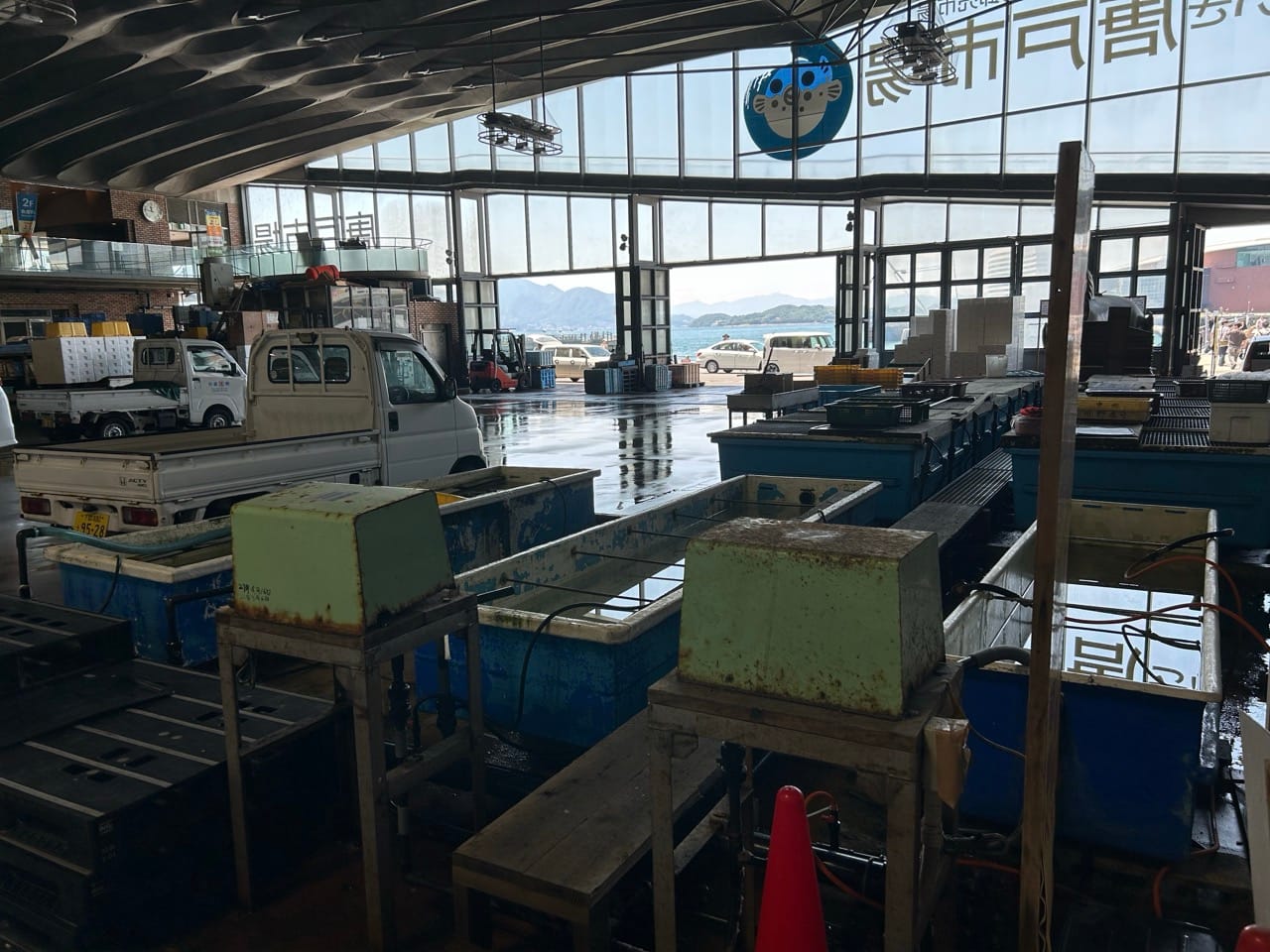
Well, get this: Pufferfish cannot synthetesize tetrodotoxin at all. They sequester it from their environment. It seems to come from bacteria found in red algae. The mechanism is not yet fully understood by science, but one thing is perfectly clear. If you farm pufferfish, you only need to put them on a pertinent diet to get non-toxic fugu. This is why incidents of fugu poisoning are exceptionally rare. If it happens at all, it is to some intrepid adventurers who catch their Fugu in the sea and prepare them on their own without a clue of its anatomy.
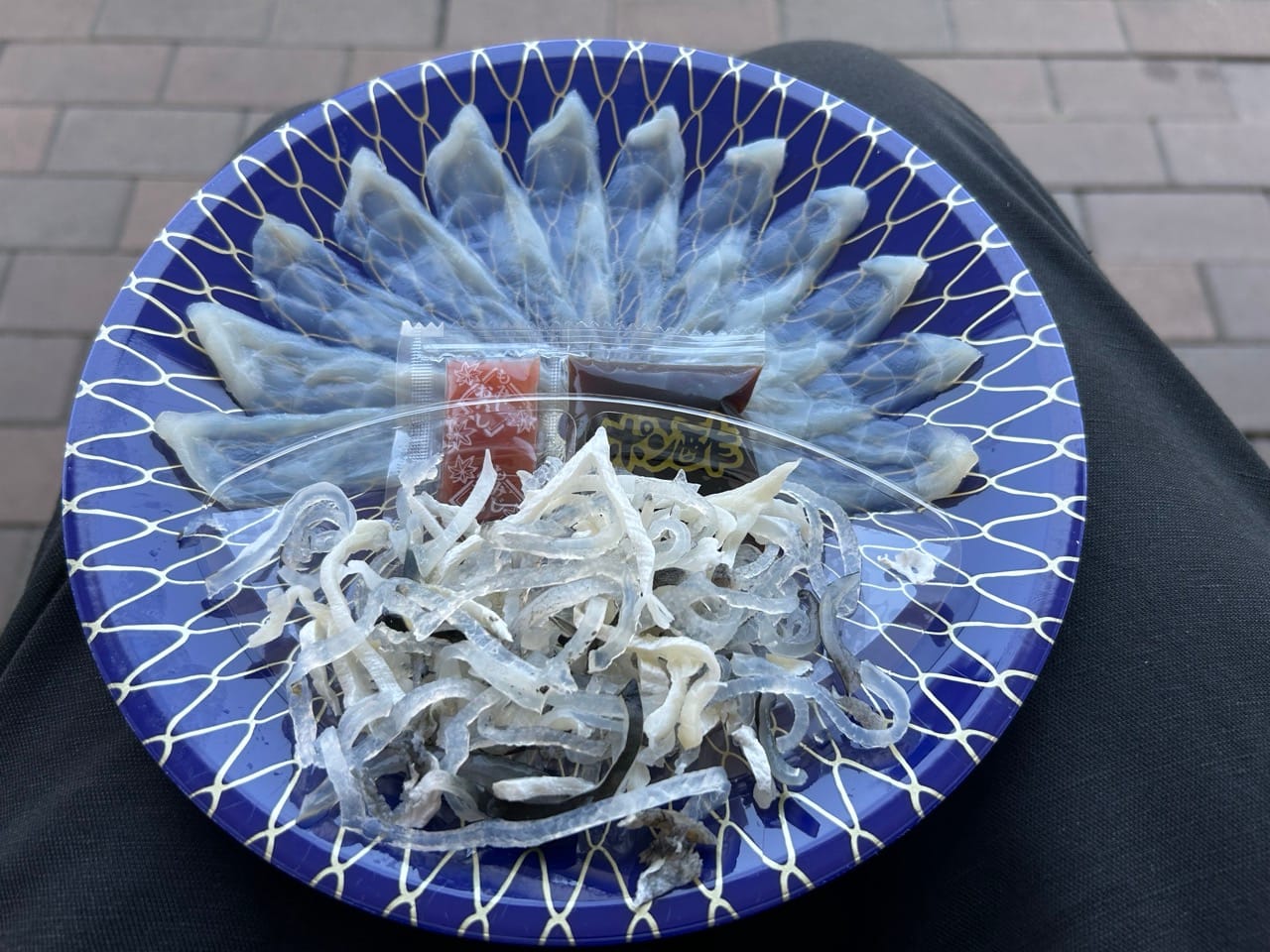
Okay, but what is it with that mild high accompanied with the light numbness of the tongue that is reported about eating fugu? I am quite sure it is either nothing but folklore or simply the dopamine you secrete, once you have enjoyed an excellent meal.
Japan's heart of pufferfish craftsmanship is the city of Shimonoseki in the prefecture of Yamaguchi. I went there to have fugu, which turned out to be more complicated than I expected. The izakaya I picked online for its fugu dishes on the menu turned out to have sashimi only in orders for four people. The deep-fried fugu was sold out. What they did have was fugu skin. Picture it as a tiny bowl of salad with cold rubbery noodles. The noodles are actually the skin. After giving it some thought, it became clear that the elasticity of the skin is absolutely necessary if you want to puff up yourself every time it becomes pertinent. It tasted awesome, by the way. Very mild flavour of the ocean.
Since I wanted to taste more than just the skin, I looked up more fugu-focused restaurants. But all of them demanded reservations to be made at least three days in advance, which I could not do on the last day in Shimonoseki.
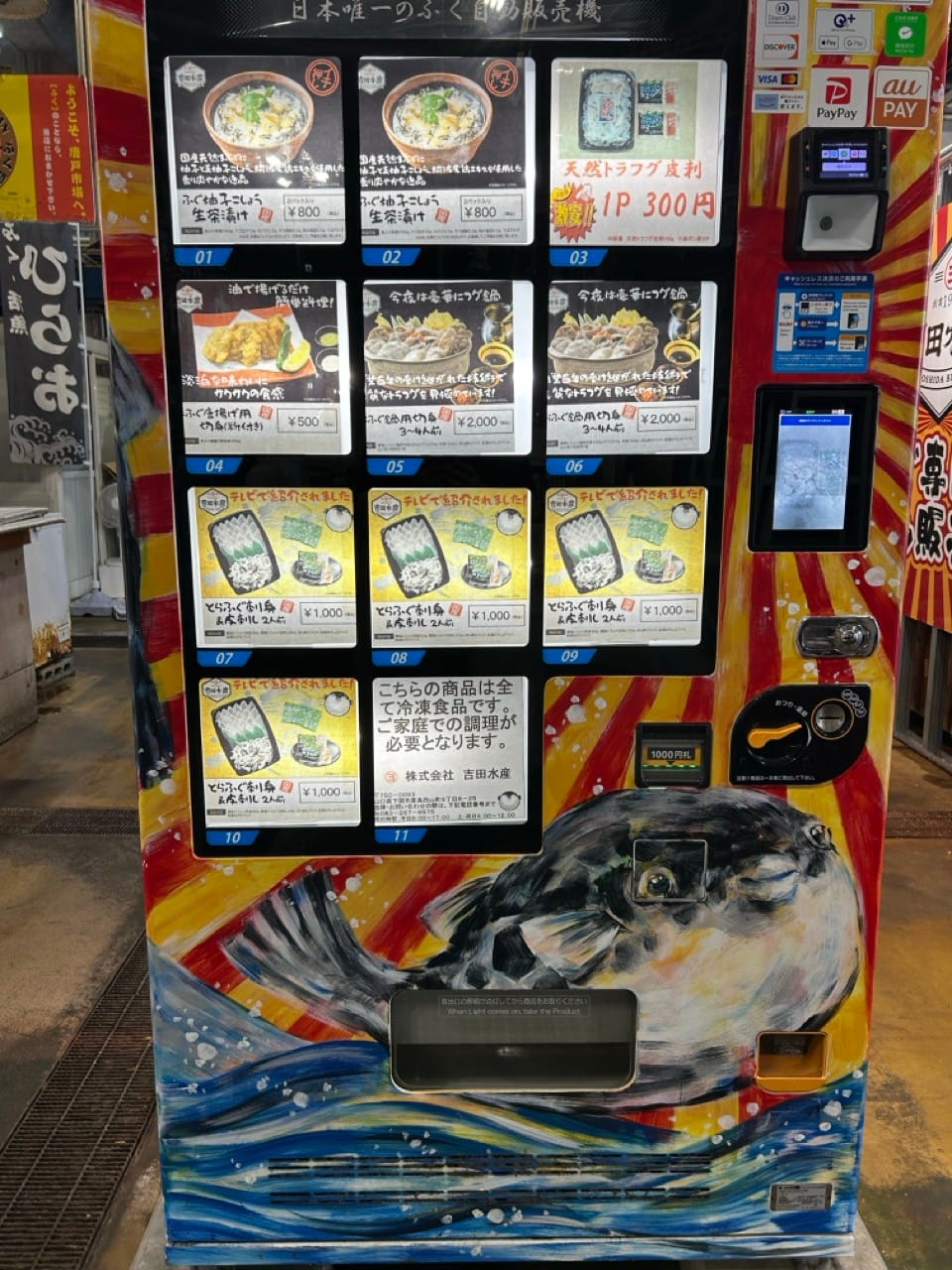
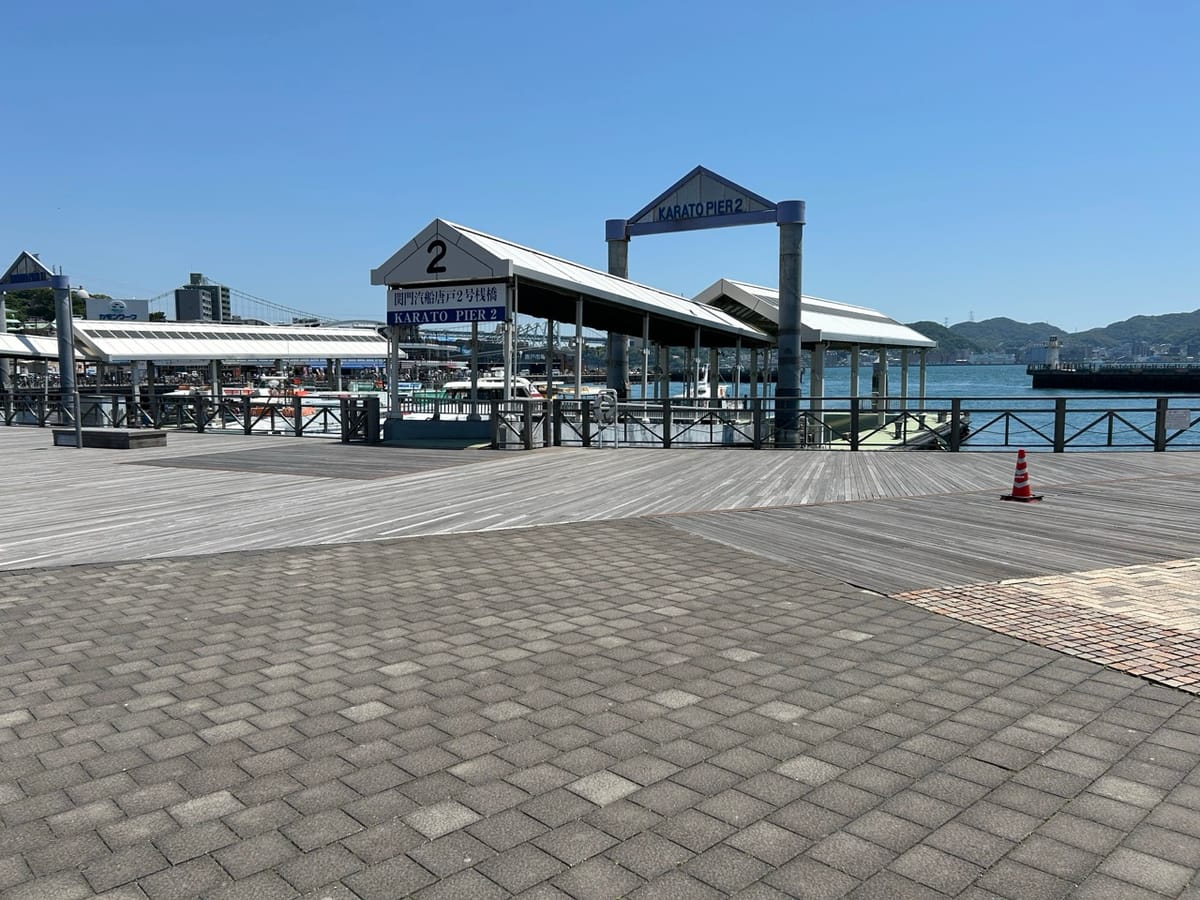
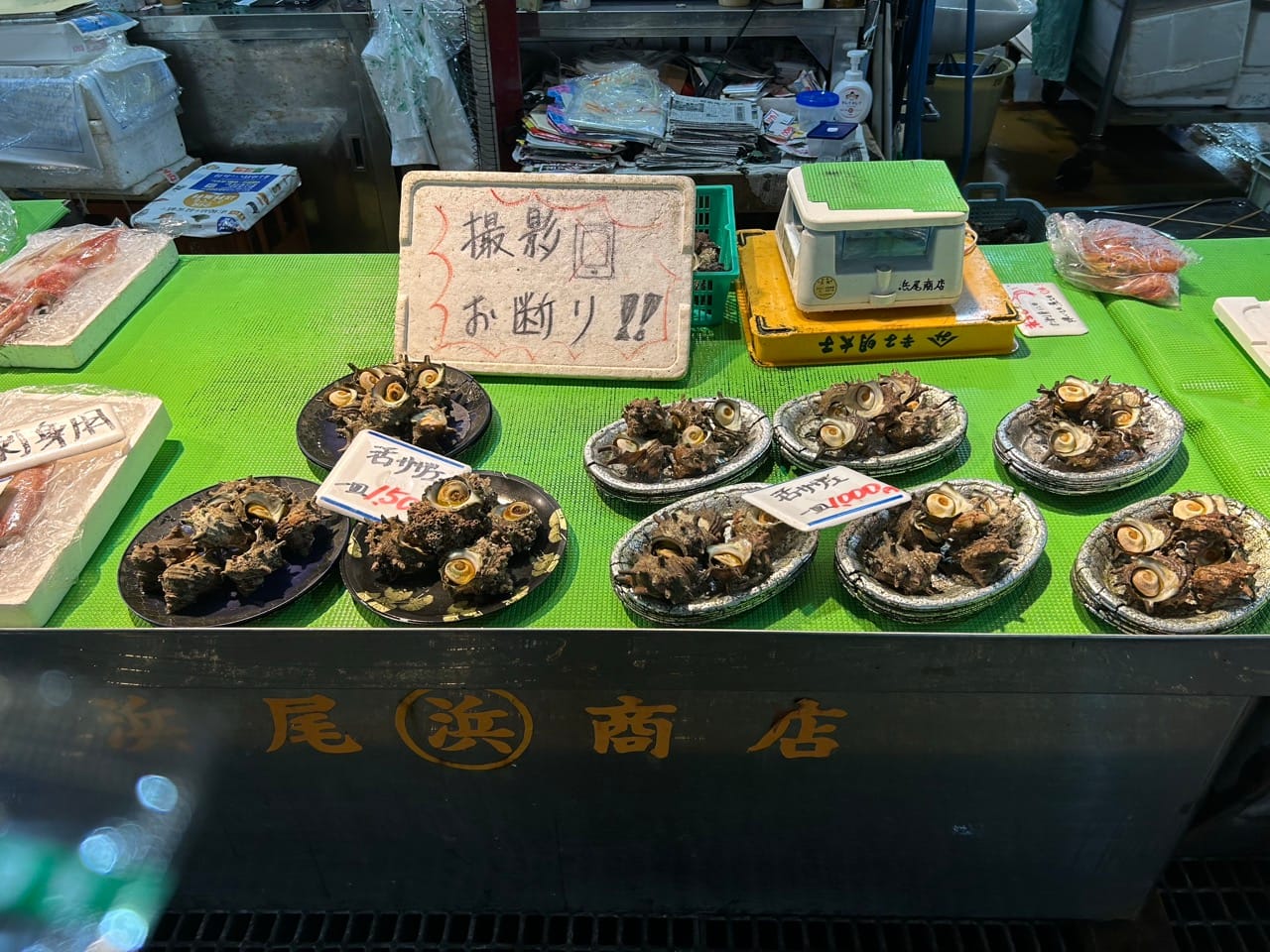
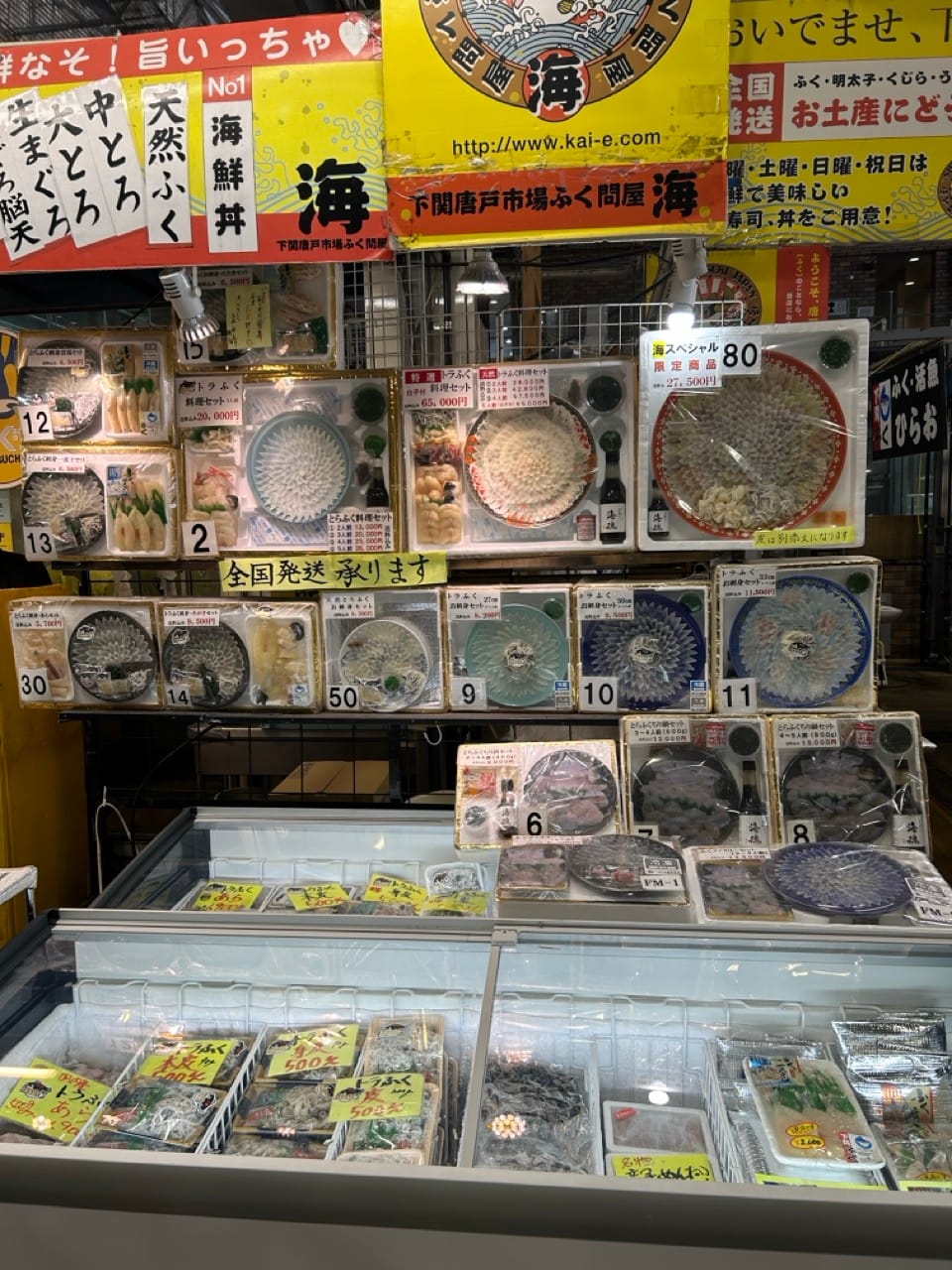
I remembered a short documentary where people would eat fugu outdoors after purchasing it from one of multiple food stalls. After some research, I found out where and how. You just go to the Karato fish market, where all the fugu business is going on.
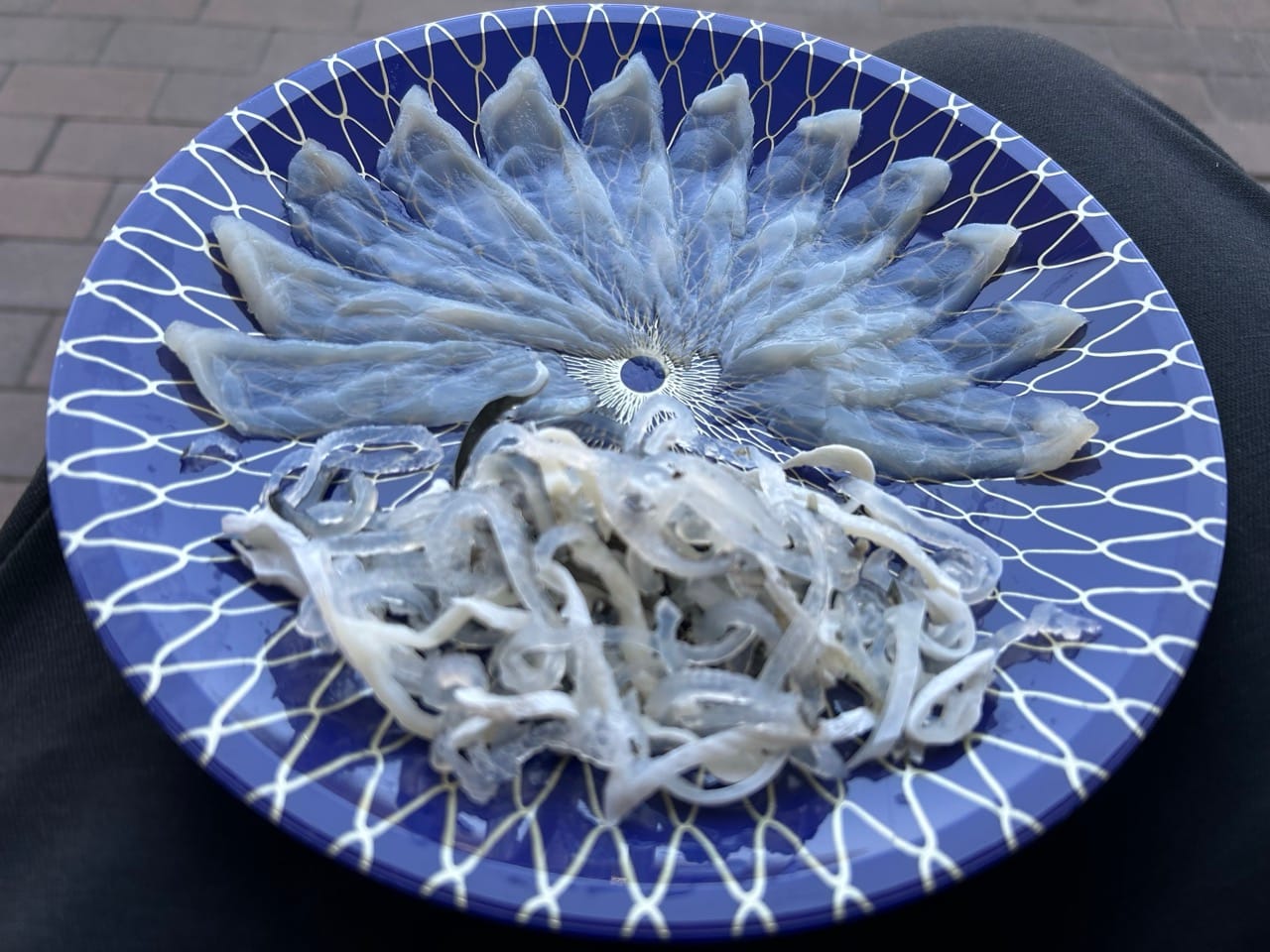
That is exactly what I did the next morning, and I got it all. I had more fugu skin, fugu sashimi, and fugu karaage (deep-fried breaded chunks). It was delicious, but I didn't take the fugu sushi, because I was already full.
As you might have anticipated, there was no noticeable effect such as sensorineural numbness, euphoria or even respiratory depression.
So there is this one simple trick to survive eating fugu every time: Just don’t catch pufferfish from the sea. That’s all there is to it.